
Ritesh Kushwaha
I build web platforms for a living and write speculative fiction the rest of the time. Based in Uttar Pradesh, India.

I started early. My first attempt at running something of my own was at fourteen — it did not last, but it taught me how to ship, how to talk to people who are paying you, and how much of the work is the unglamorous part. I've been building for the web ever since, 12 years and counting.
Most of what I do now is platform work: the system a business actually runs on. A content studio that needed its own publishing stack. A waste management company that needed operations, routes and client accounts in one place. The work is usually PHP and MySQL on the server, plain JavaScript in the browser, and as few dependencies as I can get away with — not out of purism, but because I'm the one maintaining it in three years.
When a piece of a project turns out to be generally useful, I pull it out and publish it. That's where the 6 open-source repositories come from — an editor, a set of interface tokens, a small icon toolkit. None of them are trying to be frameworks.
The other half of my time goes into writing. There are 14 manuscripts on the shelf, most of them unfinished, spanning a speculative universe and a set of retellings drawn from Vedic material. Alongside them are 10 pieces of cover and concept art, and a journal where I think out loud about 6 subjects I keep circling back to.
Platforms I've built.


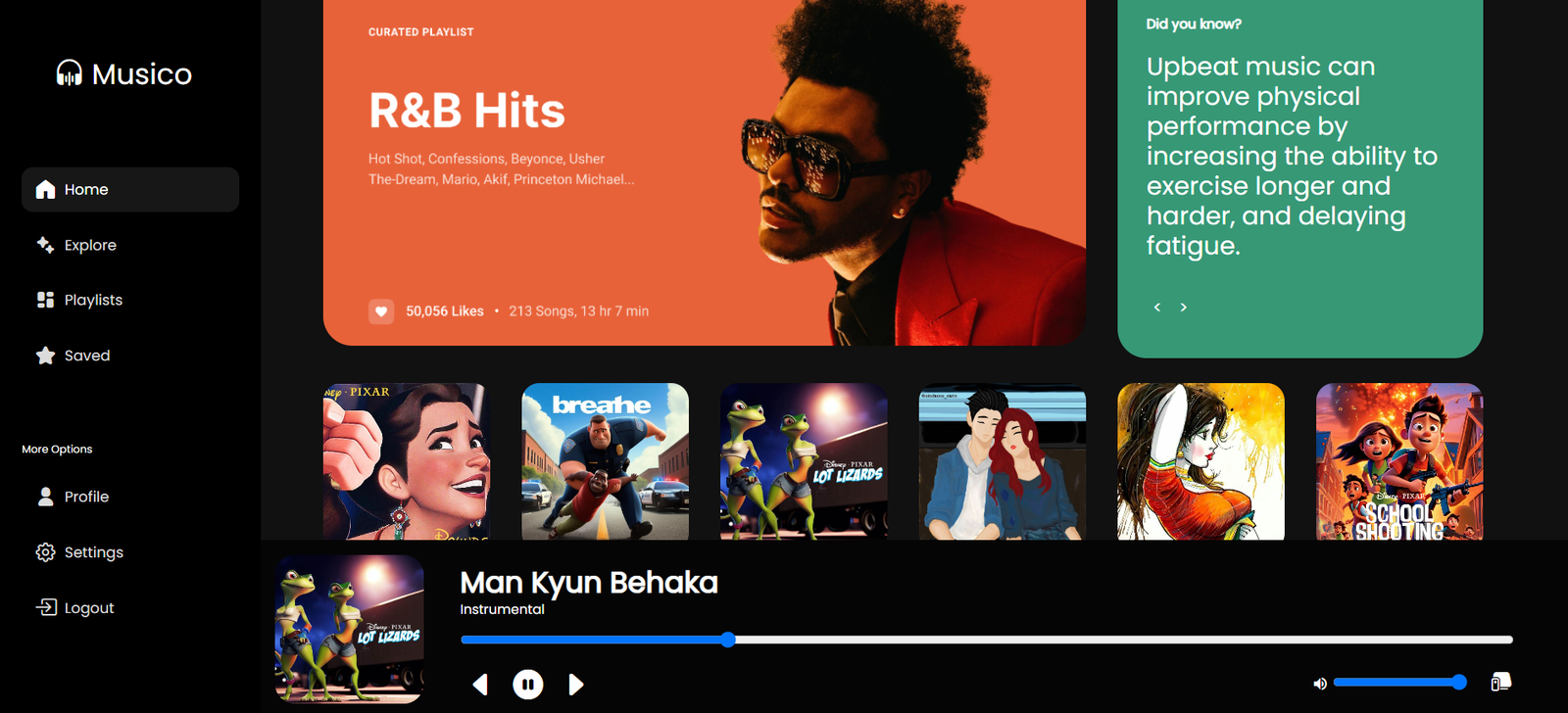
Four things, mostly.
Platform work
Business systems built end to end — schema, server, interface, deployment. Usually for one client with one specific problem, rather than a product looking for a market.
Interface design
I follow Apple's Human Interface Guidelines closely: restrained type, real hierarchy, and controls that behave the way people already expect. Most of the work is taking things out.
Open source
Small, single-purpose libraries extracted from client work and published under permissive licences. A rich-text editor, interface tokens, an icon router — things I needed and couldn't find at the right size.
Writing
Long-form fiction and worldbuilding, plus a journal on technology, philosophy and history. The books and the software borrow from each other more than you'd expect.
What I build with.
Deliberately small. Everything here is something I can still debug at two in the morning three years from now.
- Server
- PHP 8 · Apache · no framework unless a project earns one
- Data
- MySQL · prepared statements · schema-first, migrations in version control
- Browser
- Plain JavaScript · Tailwind for utilities · a hand-written design system on top
- Design
- Apple Human Interface Guidelines · SF Pro · design tokens, not one-off values
- Tooling
- Git · VS Code · deploys that are a push, not a ceremony
A short, unromantic process.
-
01
Understand the actual problem
Before anything is designed, I want to see how the work is done today — the spreadsheets, the workarounds, the thing everyone complains about. That is where the requirements really live.
-
02
Model the data first
Screens change; the schema is expensive to change. I settle the tables, relationships and indexes early, and the interface follows from them.
-
03
Build it plainly
Direct, readable code with as little between the request and the response as possible. Every dependency added is one someone has to keep alive later.
-
04
Ship, then watch
Launch is the middle of the project, not the end. What matters after it is what breaks, what nobody uses, and what people ask for once the thing is real.
Where else to find me.
GitHub
6 public repositories.
@aiedrowLetterboxd
Everything I watch, logged.
@aiedrowVideo
3 channels of documentary and lore.
Channels- The Katha Vachak Documentaries, Discourses & Ancient Epics
- Aiedrow Engineering Architecture, High-Speed Systems & Toolkits
- Akasha Universe Lore Speculative Fiction & Universe Chronicles
Want to work together?
Send me what you're building and roughly when you need it. I'll reply either way.